
In Singapore and major cities across Asia, matcha is no longer just a simple green drink on café menus. Over the past two years, we’ve observed how matcha has evolved into a core part of Gen Z’s identity. This generation doesn’t choose matcha solely for its earthy and smooth flavor, but also for the emotional and symbolic value behind it. The question “why is Gen Z obsessed with matcha” leads us to understand how this generation shapes a lifestyle that is healthy, mindful, aesthetic, and culturally connected.
This trend is not seasonal. It is formed by a combination of social, psychological, cultural, and lifestyle factors that reflect the maturing expectations of Gen Z. Here are seven key facts that explain why matcha has captured the hearts and social feeds of Gen Z.
7 Facts Why Is Gen Z Obsessed With Matcha
1. Matcha Represents a Realistic Healthy Lifestyle for Gen Z
Health is an important value for Gen Z, but they prefer a lighter and more sustainable approach. Matcha fits this need perfectly. Its high antioxidant content, potential metabolic benefits, and reputation as a “clean” beverage make matcha a modern and relevant choice. In Singapore, the once strict perfectionist approach to health has shifted toward a more balanced lifestyle, and matcha has become the symbol of that equilibrium.
2. Stable Caffeine Effect: Energy Without Anxiety
Gen Z is known to be more prone to stress and anxiety. Many avoid coffee because of jittery effects and sudden energy crashes that disrupt productivity. Matcha offers a calmer alternative. With its gentle caffeine partnered with L-theanine, matcha delivers long-lasting focus without harsh side effects. This makes matcha a “smart caffeine choice” for students, creatives, and freelancers who need mental clarity throughout the day.
3. Matcha Aesthetics Become Cultural Currency on Social Media
Matcha is an aesthetic icon. Its soft pastel green color, creamy texture, and café-friendly ambience make it highly shareable on TikTok and Instagram. Gen Z uses matcha as part of their personal branding: productive, calm, minimalist, and stylish. The drink doesn’t just appeal to visual taste but has also become a social status symbol in the digital era. Matcha carries “cultural currency” a visual value that strengthens their online identity.
Also read: 5 Most Worth It Matcha Far East Plaza
4. Matcha Becomes a Modern Mindfulness Ritual
Amid work pressure, academic demands, and fast-paced living, Gen Z needs small rituals that help them stay grounded. Preparing matcha—from scooping the powder, whisking, to sipping it slowly creates moments of mindfulness they deeply appreciate. The Japanese tradition that emphasizes calmness and presence translates easily into modern lifestyles. For Gen Z living in urban environments like Singapore, matcha acts as a micro-ritual that stabilizes the mind.
5. Japanese Cultural Values Deeply Resonate With Gen Z in Asia
Japanese culture has a strong influence on Gen Z. From anime and cuisine to philosophy and fashion, Japanese aesthetics shape their visual preferences. As a significant element of Japanese culture, matcha represents a lifestyle that is sophisticated, simple, and mindful. Gen Z feels connected to these values and traditions, making matcha not just a beverage but a cultural experience they genuinely enjoy.
6. Matcha Becomes a Symbol of the Creative Class and Urban Youth
We’ve observed how matcha is strongly associated with creative communities: designers, writers, photographers, digital workers, and young entrepreneurs. Matcha frequently appears in coworking spaces, independent cafés, and creative events. This positions matcha as a symbol of Gen Z’s creative aspirations productive, progressive, and urban. Choosing matcha becomes a form of self-expression, signaling that they belong to a modern creative class.
7. The F&B Industry Reinforces the Trend Through Menu Innovation and Branding
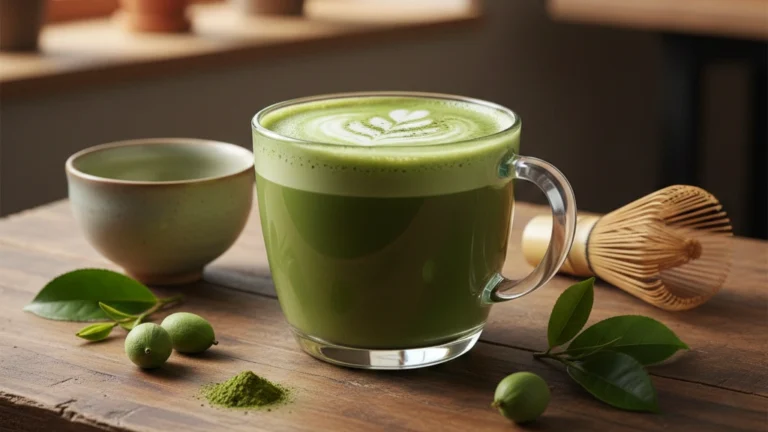
The matcha trend doesn’t grow by itself. F&B brands actively amplify it through innovative menu creations such as dirty matcha, matcha oat latte, sparkling matcha, matcha soft serve, and matcha pastries. Aesthetic branding, modern packaging, and strong storytelling make matcha even more embedded in Gen Z’s lifestyle. High demand motivates cafés and brands to keep innovating, introducing new matcha variations every few months. The result is a category that continues to grow without slowing down.
Strategic Implications for F&B, Café Brands, and Business Owners
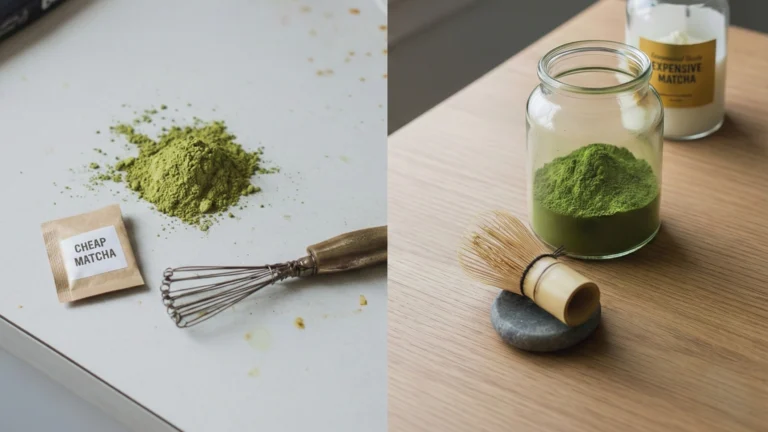
From a strategic standpoint, matcha represents a major opportunity for cafés, restaurants, and beverage brands. Gen Z expects premium, authentic, and visually appealing matcha options. Brands should consider developing signature matcha offerings that set them apart through preparation technique, powder quality, and branding style. Storytelling also plays a crucial role because Gen Z purchases value and vibe, not just taste. Brands that successfully combine quality and aesthetics will win Gen Z loyalty.
Matcha Isn’t a Passing Trend, but an Evolution of Gen Z Taste
After examining the health, aesthetic, cultural, and psychological factors, the answer to “why is Gen Z obsessed with matcha” becomes clear. Matcha is not a short-lived trend. It represents an evolution in Gen Z preferences a generation seeking mental balance, self-expression, and cultural connection. Matcha fulfills all those needs and offers a sustainable long-term experience. The trend is expected to grow even stronger, especially in Asian markets like Singapore.
Want to enjoy authentic, premium-quality matcha that fits Gen Z’s lifestyle? Explore the curated matcha selection at Matcha by Ryokudo. Find the best grades for latte creations, whisking rituals, and modern dessert recipes.
Visit the official Matcha by Ryokudo page and start your matcha journey today.